
Faynt: learning competitive Melee
One policy for all 26 characters. A study of imitation, winning demonstrations, distillation, and reinforcement learning.
One policy for all 26 characters. A study of imitation, winning demonstrations, distillation, and reinforcement learning.
A training-performance report following kernel fusion, memory reuse, CUDA-Oxide, and architecture changes for a Melee policy on one RTX 6000 Pro.
An essay on consumer voice AI adoption, examining the interface, missing capabilities, and reasons impressive demos have limited everyday use.
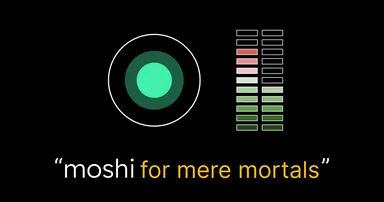
A visual study of Moshi and Mimi with diagrams, equations, and pseudocode for low-latency speech systems.
A guide to overlapping speech, interruptions, backchannels, and the design of full-duplex and half-duplex systems.
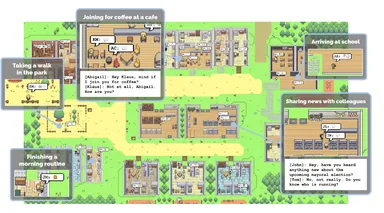
An examination of the economics, evaluation difficulties, and social behavior that complicate AI characters in games.
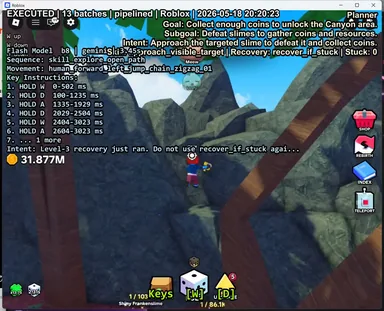
A Roblox field report using screenshots, a fast action loop, a slower planner, and recorded failures to improve movement and recovery.
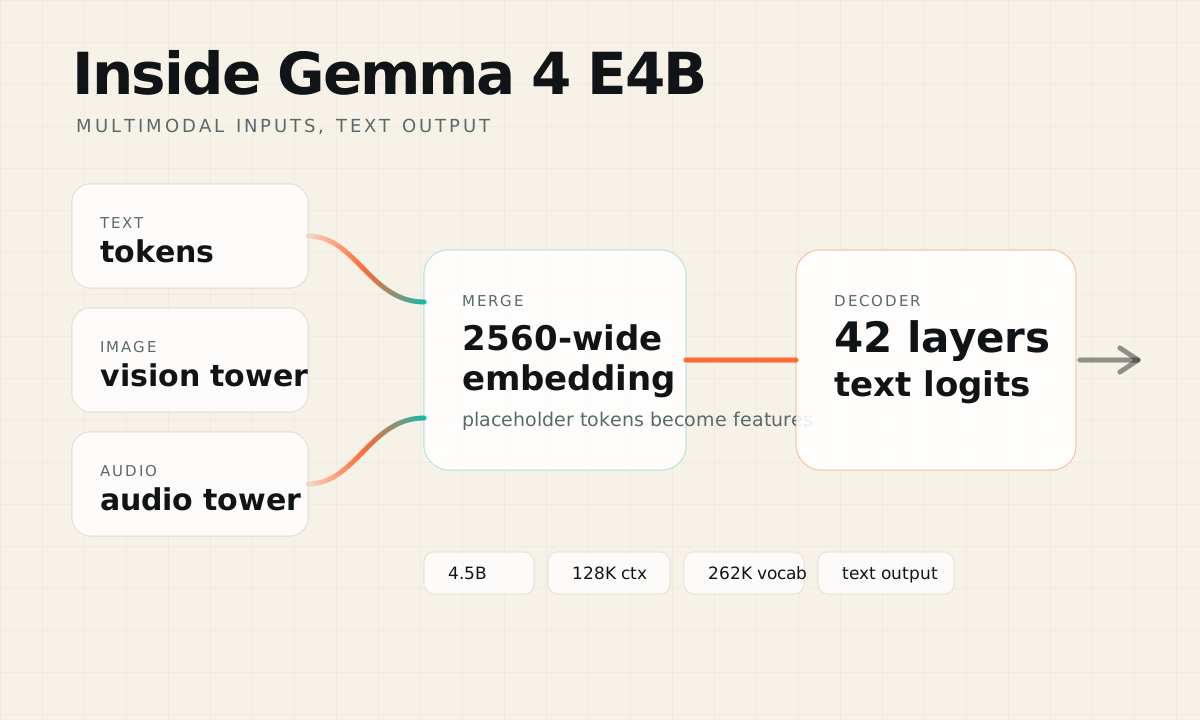
An architecture walkthrough and early experiment mapping Gemma hidden states to Mimi audio tokens with a trainable speech head.
A dated comparison of voice systems through the needs of gaming companions: interruption handling, response time, context, tools, and character consistency.
A browser demo that lets readers encode audio with Kyutai Mimi and switch codebook levels to hear their effect on reconstruction.
The founders explain their interest in AI companions built around experiences shared with people.
Try a different topic or search term.